Wedding Trends Minnesota Pros Think Couples Should Reconsider
From traditional timelines and welcome signs to wedding-day content and cake cutting, Minnesota wedding experts share which trends they’d rethink and what couples might consider instead.
October 4, 2026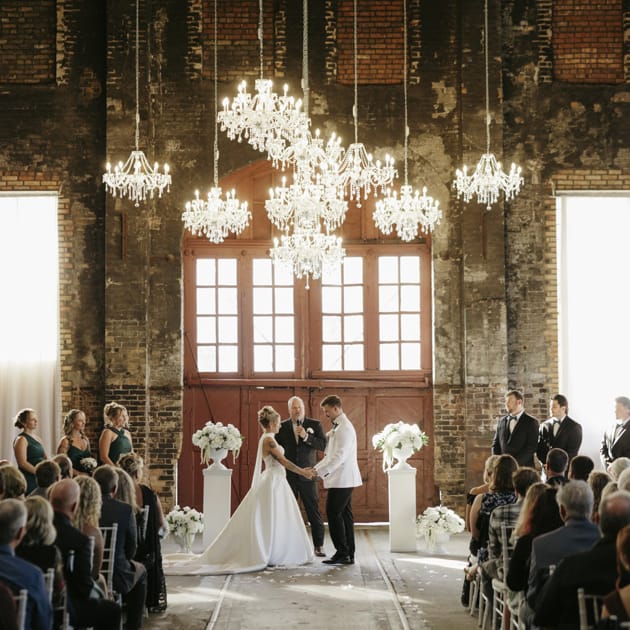
Wedding trends can be a great starting point, but the most memorable celebrations rarely come from checking every expected box. Sometimes the better question isn’t What are we supposed to do? but Does this actually feel like us?
We asked Minnesota wedding professionals which traditions and trends they’d encourage couples to reconsider, and how they might make those choices feel more personal instead.
Keep the Traditions That Actually Mean Something
Jason Brown-Hoesing, Social Events Manager at The Westin Edina Galleria, encourages couples to reconsider planning their wedding around what they believe a wedding is supposed to include.
Traditions like a first look, formal cake cutting, favors at every place setting or a particular order of events can quietly begin to feel like requirements rather than choices. Instead, Brown-Hoesing recommends asking one more question about every tradition: “Does this actually mean something to us?”
If it does, keep it. If not, that time and budget might be better spent on a memorable meal, more time with guests, a late-night experience or simply a less complicated evening. “The weddings people remember tend to be the ones where you can feel the couple in the choices they made.”
Give the Groom More Room to Show His Style
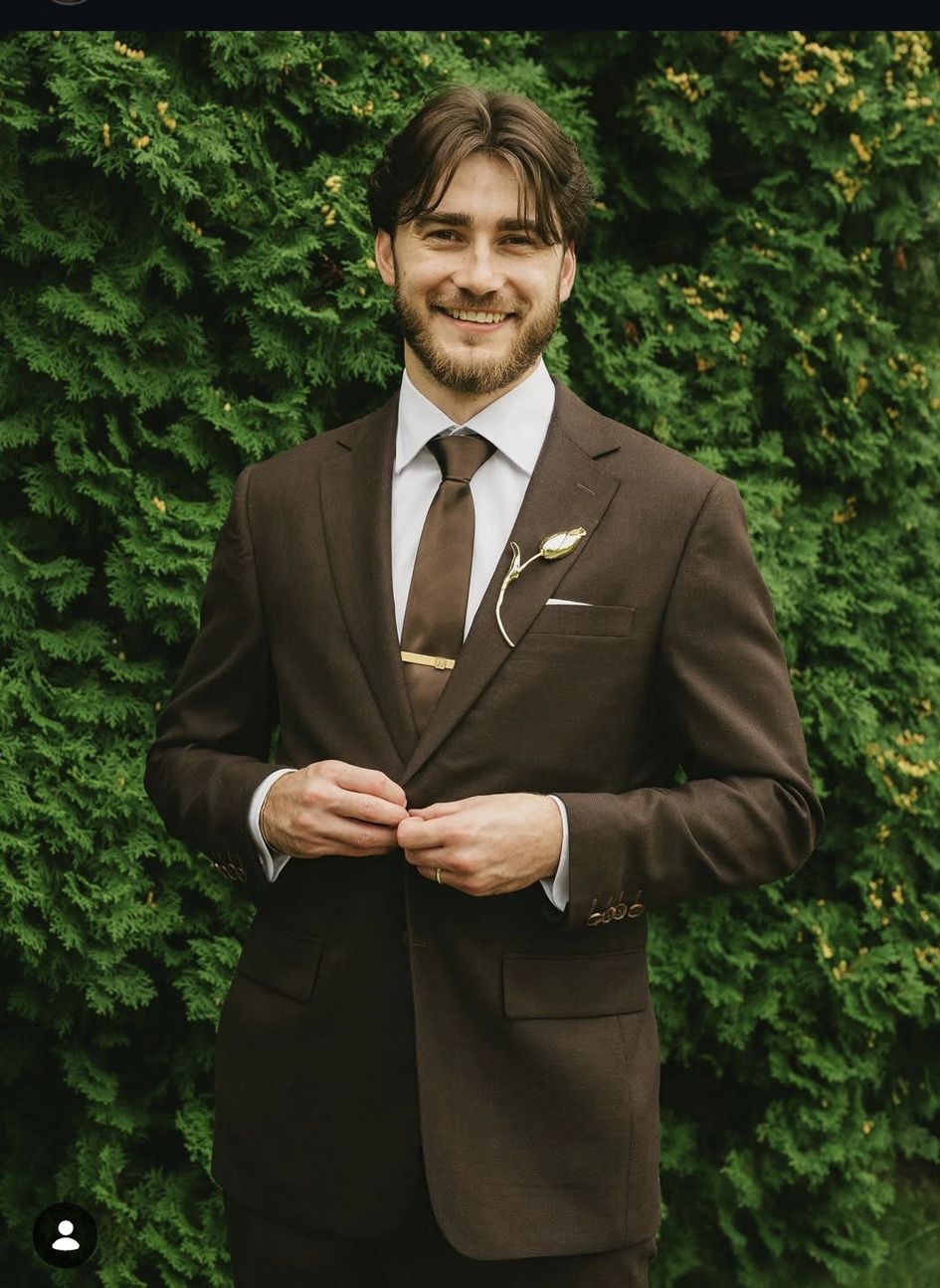
The traditional black wedding suit will always have a place, but Vivian from Milbern Clothing would love to see more grooms approach wedding-day fashion as an opportunity for personal expression. “A wedding is one of the few occasions where a man can really make a statement with his personal style,” the photographer says.
That might mean a tailored dinner jacket, seasonal color, unexpected texture, a double-breasted silhouette or even a suit that can be worn again after the wedding. Floral boutonnieres can also be reconsidered in favor of details such as a floral brooch.
The goal isn’t to be unconventional just for the sake of it. Instead, couples can ask a more personal question: “What will make him feel like the best version of himself?”
Be Present Instead of Producing the Perfect Moment
For Alyssa Trout of Lafayette Club, the pressure to create constant wedding-day content is worth reconsidering. “There can be an added pressure to get the perfect photo or capture certain content, whether it’s around a sunset, outfit change, boat ride or other,” Trout says.
While those moments can certainly be meaningful, building the day around capturing them can sometimes pull couples away from the celebration itself. She suggests allowing photographers to document more candidly or even scheduling a separate portrait session when couples want highly specific imagery. “The most meaningful part of a wedding for a bride and groom is being present and enjoying the celebration together.”
Give the Ring Exchange a More Personal Role
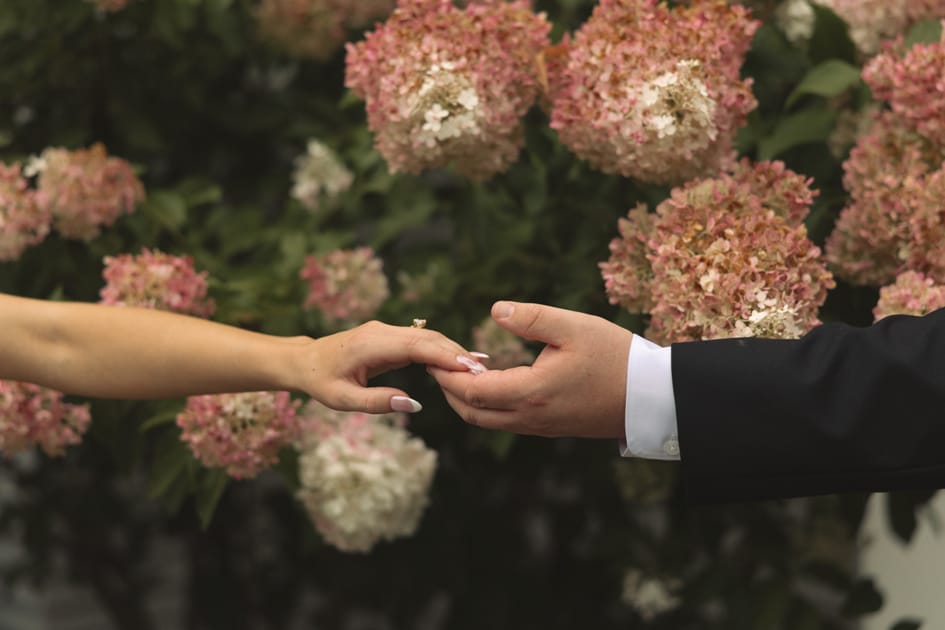
For Krystal Houseman, Owner and Officiant of Halcyon Celebrations, even the person entrusted with the wedding rings can become part of the couple's story. Rather than automatically assigning the rings to the best man or a traditional ring bearer, Houseman suggests inviting someone meaningful to participate. “Let’s create a moment where your people get to stand up, come forward and be a part of this sacred and special ritual,” she says.
Parents might carry the rings forward as a symbolic joining of families, or even a beloved four-legged family member could be incorporated. “The possibilities are endless. Time to get creative!”
Prioritize the Parts of the Day That Matter Most
Shelby Sisler, Director of Catering & Convention Services for Radisson Blu Mall of America, encourages couples to think carefully about where their budget has the greatest impact. “We often see couples spending on things they assume a wedding is ‘supposed to’ have, like elaborate signage, guest favors or extra details that look lovely in photos but rarely register with guests in the moment,” Sisler says.
Instead, she recommends prioritizing experiences guests genuinely engage with, whether that means a memorable cocktail, exceptional food or moments designed to bring people together. “What guests actually remember, and what they’ll be talking about for years, is the experience.”
Sisler also encourages couples to consider how much they truly want to manage themselves. DIY can be rewarding, but coordinating numerous teams independently can add another layer of responsibility to an already busy planning process. “Handing the details to a team you trust means freeing up time to be fully present,” she says.
Build the Timeline Around Your Wedding, Not Everyone Else’s
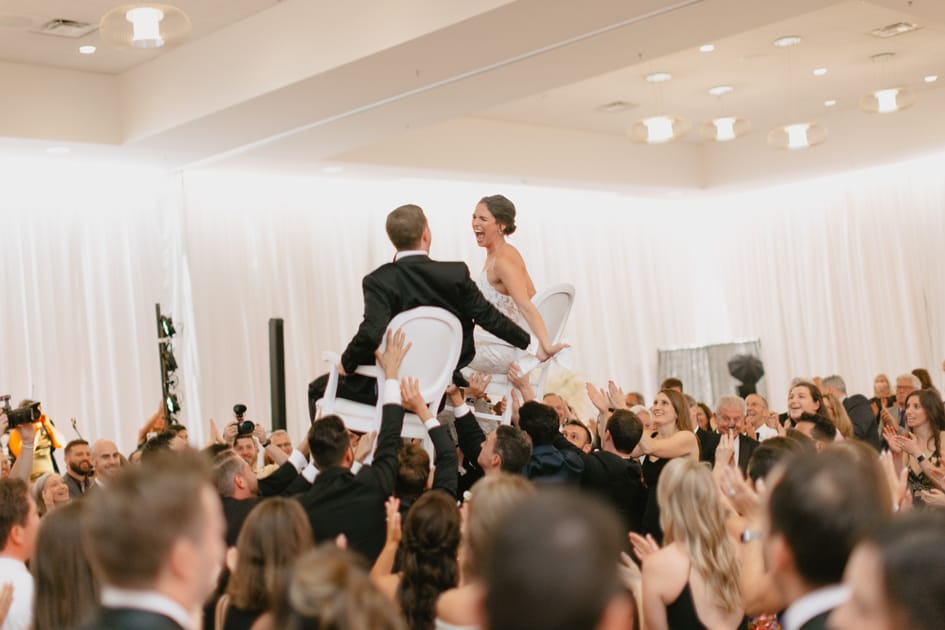
Kimberly Bushard, General Manager of A'BULAE, LE VENERÉ and Cedarhurst Mansion for Bellagala, would love couples to reconsider the assumption that every wedding needs to follow the same traditional timeline. “There’s so much pressure to fit in every tradition from grand entrances and speeches to cake cutting and first dances that couples can sometimes lose sight of the most important thing: this is YOUR wedding day,” Bushard says.
A celebration might mean fewer speeches, more dancing, favorite foods, private time together or even an entirely different ceremony time. Instead of asking what a wedding is supposed to look like, Bushard suggests asking, “What feels most like us?”
Don’t Feel Obligated to Have a Welcome Sign
Some traditions are so common that couples may never stop to ask whether they actually want them. For Grace Eberhardt, Vice President of Operations at Northern Pacific Center, the welcome sign is one of them. “Your guests know they’re at your wedding!” Eberhardt says.
That doesn’t mean welcome signage needs to disappear. If couples love the look, she encourages them to embrace it. But if it is only on the list because it seems required, she suggests redirecting that investment toward a design feature they’re genuinely excited about. “If you love a beautiful welcome sign, go for it, but if you’re only doing it because you feel like you’re supposed to, skip it.”
Let the Venue’s Character Be Part of the Design
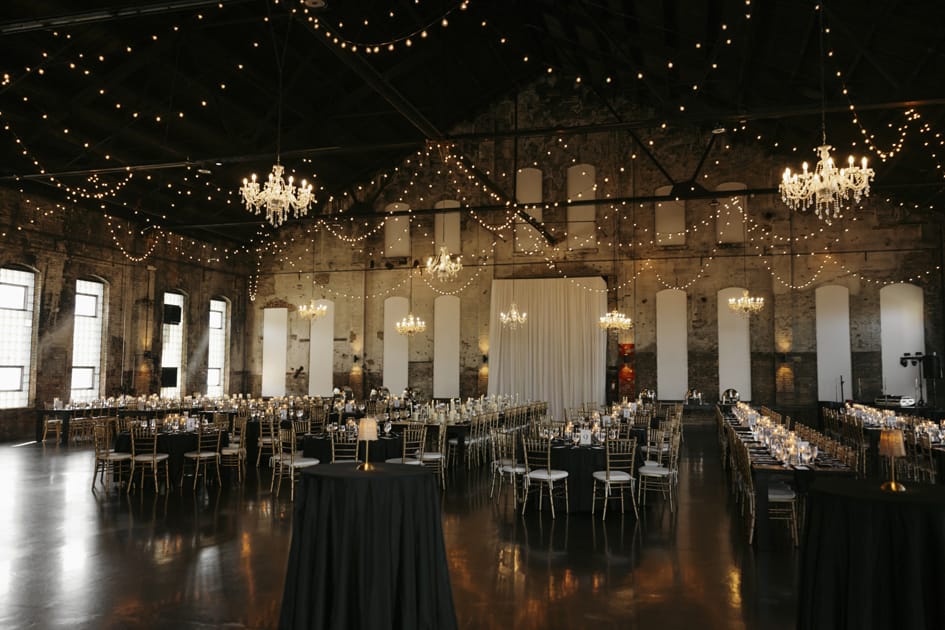
For Heidi Sohn, Senior Director of Sales at Hewing Hotel, couples don’t need to transform every inch of a venue simply to create something worthy of being photographed. “Beautiful design absolutely has its place, but when the focus becomes making every element photograph perfectly, couples can sometimes lose sight of what guests experience,” Sohn says.
She encourages couples to put energy into the elements guests can genuinely feel: hospitality, food, comfortable gathering spaces, music, conversation and personal touches. At Hewing, that also means embracing the property’s existing character and distinctly Minnesota aesthetic rather than designing over it. “We love embracing the character that’s already here and layering in personal touches rather than trying to transform the space into something it’s not.”
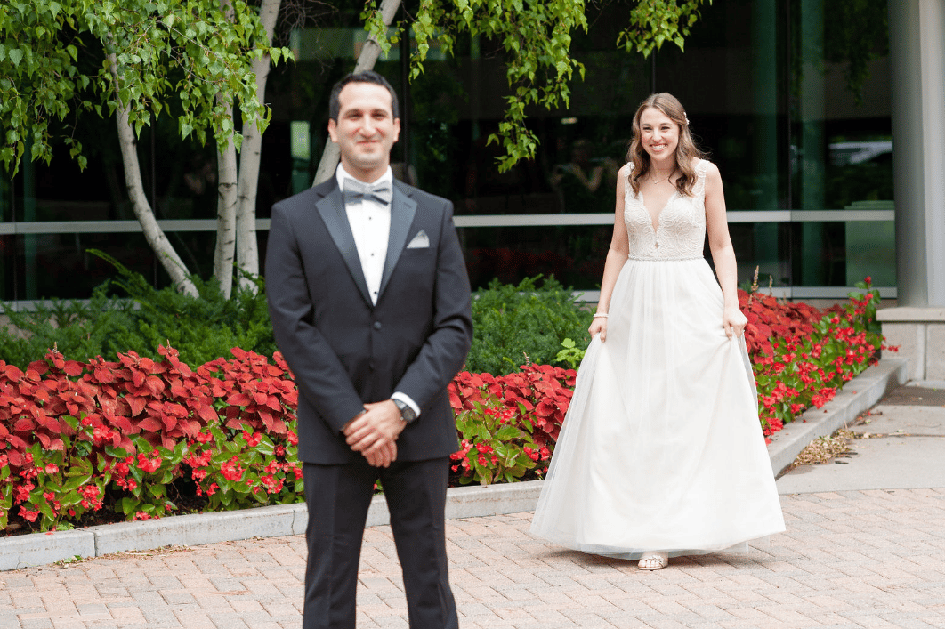
Consider a First Look
Waiting until the ceremony to see one another can be incredibly meaningful, but Victoria Meersman, Sales Coordinator at Mintahoe Catering & Events, reminds couples that it isn’t the only option. “A private first look gives you a quiet moment to take each other in, say what you’re feeling and enjoy more of the day together,” Meersman says.
It can also ease nerves, allow more time for portraits and create additional breathing room in the timeline. “And seeing each other beforehand doesn’t take away from the walk down the aisle,” she says. “It simply gives you one more beautiful moment to share.”
Simplify the Grand Entrance
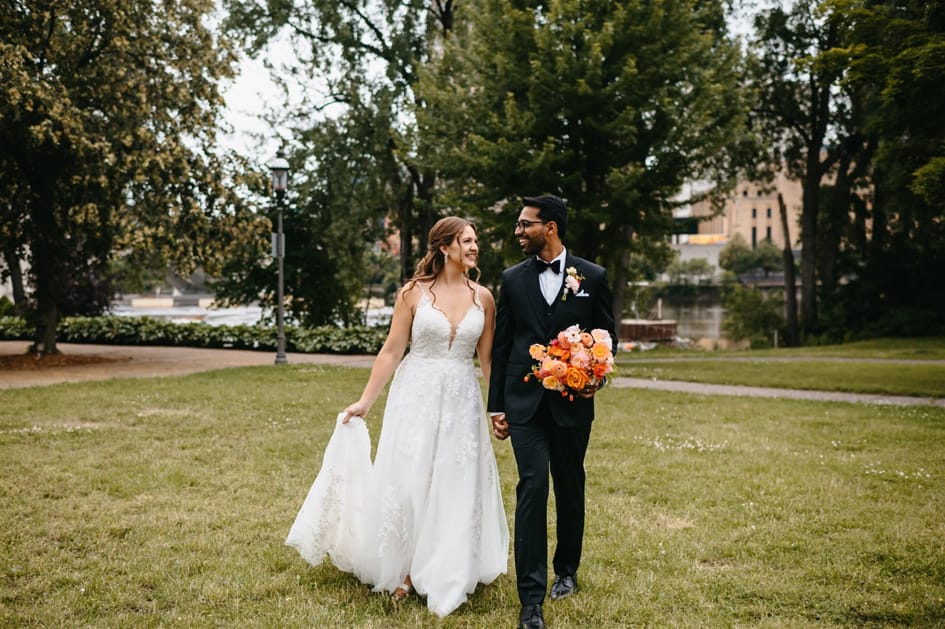
A wedding-party entrance can certainly bring energy into a reception, but Melody Hall of Events by Melody says it doesn’t necessarily need to become a full production. “I’d love to see couples rethink the idea that a reception needs an elaborate grand entrance for the entire wedding party,” Hall says.
Rather than individual introductions or choreographed moments for every attendant, she suggests letting the newlyweds make the entrance themselves. “Sometimes the simplest entrance, paired with great music and an excited crowd, makes the biggest impact.”
Question Whether You Really Want the Cake-Cutting Moment
For Sarah Trotter, Owner and Lead Planner of Lasting Impressions Weddings, the traditional cake cutting is another moment couples shouldn’t feel obligated to include. “So often couples order a full cake simply because they feel like a wedding is ‘supposed to’ have a cake cutting,” Trotter says.
Her concern goes beyond the cake itself. Every scripted reception activity requires pulling the couple away from whatever they’re already enjoying with their guests. She applies the same thinking to everything from guest books and favors to dance-floor props and elaborate signage. “If something genuinely means something to you, absolutely include it,” Trotter says. “But if you’re only doing it because it feels expected, let it go.”
Celebrate Somewhere That Already Means Something
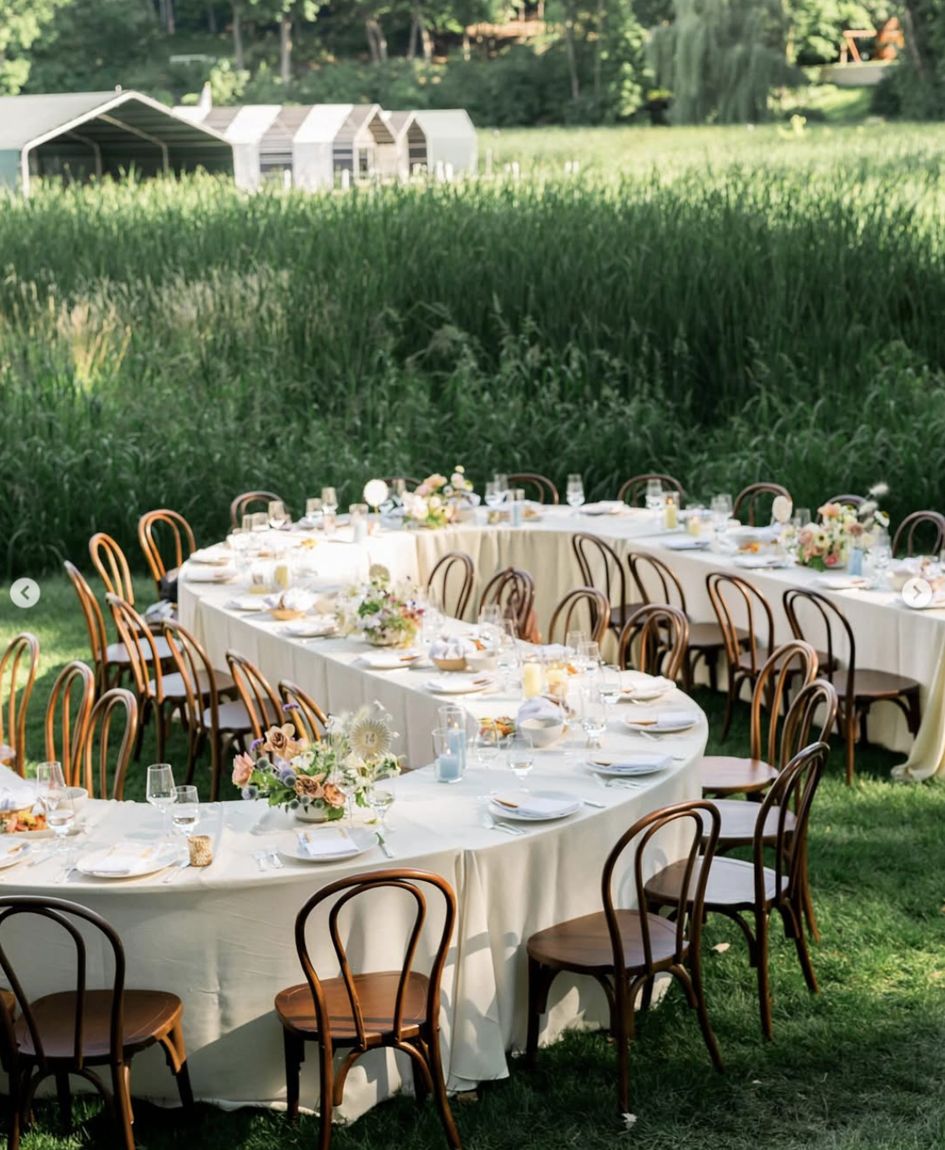
Traditional venues offer countless advantages, but Paige Gibson of Paige Gibson Homes encourages couples with the right property and circumstances to consider another possibility: home. “We love seeing couples consider their own home for a wedding or rehearsal dinner instead of automatically booking a traditional venue,” Gibson says.
A backyard ceremony or dinner on family property can root a celebration in a place that already carries meaning and history. Gibson has seen clients host weddings and rehearsal dinners at family homes that ultimately became part of the property's story. “It ended up becoming part of the story of that property, the kind of thing that comes up years later and stays woven into its history.”
Ultimately, rethinking a trend doesn’t necessarily mean rejecting it. It means giving couples permission to decide for themselves which traditions deserve a place in their celebration, then investing their time, energy and budget in the ones that actually feel like them.